What a general treatment should cover
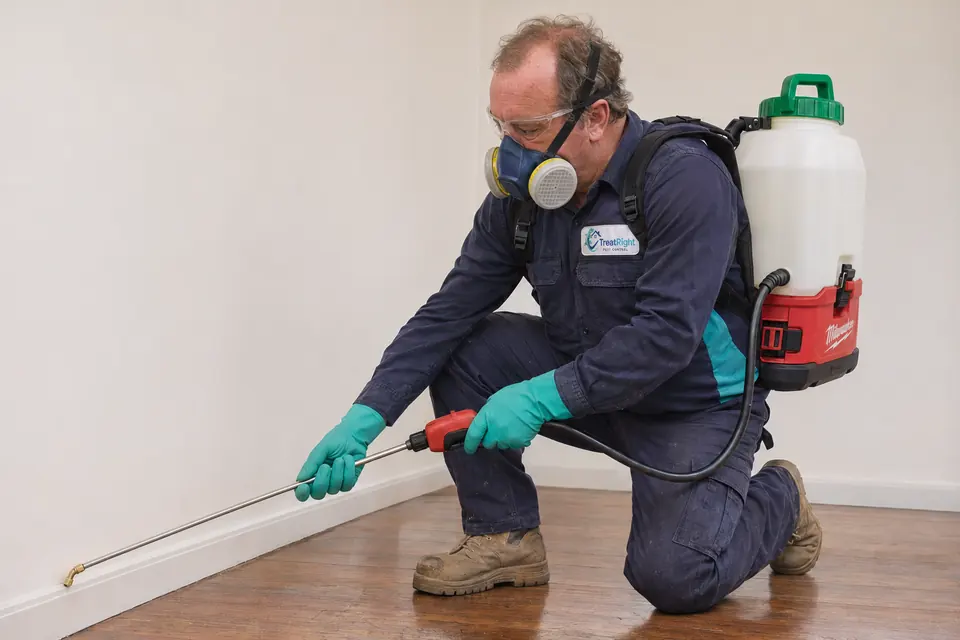
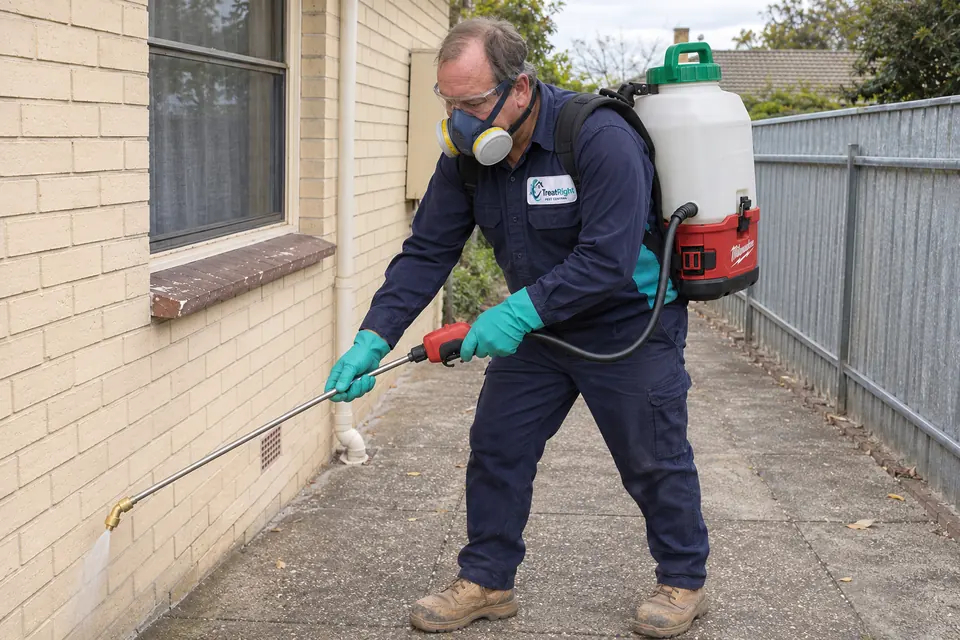
A general pest treatment is a scoped service for nominated pests at a particular property. It is not a promise to eliminate every insect from a home or garden. For the proposed TreatRight service, the starting conversation includes both an external perimeter treatment and internal skirting treatment. The technician must decide which surfaces and methods are appropriate after inspecting conditions and checking the product label. Rooms, outbuildings, access restrictions and target pests belong in the written quote so you can compare like with like.
An occasional outdoor cockroach coming through a doorway is different from German cockroaches breeding behind a kitchen appliance. Ants travelling along a window frame may need a different approach from spiders sheltering in a garage. Tell us what you have seen, where it happens and how often. A clear photograph taken without approaching a dangerous animal can help, but a photograph alone may not establish the species. Treatment should follow identification rather than an assumption that one spray covers everything.
Signs worth recording before an assessment
Useful observations include the rooms affected, the time of day, whether insects are alive or dead, and whether the activity follows rain, stored goods arriving or a change in the building. Keep a short written record instead of repeatedly applying household aerosol. Existing residues can complicate a targeted bait program and make it harder to understand the original activity. Do not collect unfamiliar biting or stinging animals by hand. Avoid moving potentially infested items through unaffected rooms.
Look at everyday conditions without dismantling anything: gaps below doors, an overflowing bin, pet food left out overnight, vegetation touching walls or a leaking tap. These observations are useful because pests need food, water and shelter. They do not mean that a household is dirty. A clean property can still have entry points and suitable harbourage. Tell the technician about previous treatments, including the product name if you already have it, and any disappointing result so the next plan can account for that history.
The visit, from inspection to treatment record
The intended process begins with confirming the agreed pest list, property size and accessible areas. Before any application, the attending independent technician should check the site and discuss the household circumstances. Treatment may combine targeted applications, physical removal of accessible webs where agreed, and practical exclusion advice. Application to internal skirting and the external perimeter must suit the label, surfaces, weather and people using the space. A blanket application to every surface is not the aim.
Ask how the treatment will be recorded. A useful service record identifies the areas treated, target pests, products used, relevant precautions and any inaccessible areas. If the inspection suggests a specialist problem outside the quote, the sensible next step is a revised scope for your agreement. Termite management, roof void work, subfloor access, German cockroach programs and rodent control should not silently appear as included extras. Equally, an area that could not be treated should not be described as completed. Confirm what happens if weather interrupts the exterior component before the visit begins.
Preparing rooms, gardens and pets
Arrange access to the skirting and nominated outdoor edges without shifting heavy furniture unsafely. Put away food, utensils, children’s toys and pet bowls from treatment areas. Tell the provider about infants, pregnancy, respiratory conditions, sensitivities, assistance animals, fish tanks, ponds and other animals before the appointment. The technician needs that information to choose an appropriate plan; this page cannot determine a universal safe arrangement for every product and household.
Do not cover an aquarium or switch its equipment off based on generic internet advice. Ask for a specific preparation plan that protects the animals and maintains their welfare. Secure pets away from work areas and agree where people will wait during treatment. Someone authorised to approve the work should be available to discuss unexpected conditions. Outdoor access may require unlocking gates and arranging separation from neighbours’ pets. If access is shared with another dwelling, obtain permission rather than assuming the perimeter can be treated on both sides.
Aftercare and realistic expectations
Re-entry and cleaning instructions are product specific. Follow the written directions from the attending technician, including any restrictions for children, pets, treated surfaces and weather exposure. Do not assume that every product becomes harmless once dry. Ask which surfaces may be wiped, when routine cleaning can resume and whether washing particular edges would affect the intended residual treatment. Food preparation surfaces require particular care and should not be treated as interchangeable with skirting boards.
Some activity can continue after treatment. A useful plan sets expectations for the nominated pest and explains what to record if activity persists. Repeatedly spraying over a professional treatment may interfere with it, especially where baits are used. Continue removing food and water sources and make agreed repairs to screens or door seals. New insects can arrive from outdoors, deliveries and neighbouring properties; an open garden is not a sealed system. If the problem changes, contact the provider with dates and locations rather than assuming a larger chemical application is automatically needed.
Price, inclusions and launch conditions
The proposed consumer starting offer is from $199 AUD for general pest treatment. It remains subject to property details, agreed pests, scope, availability and approval of the final offer conditions. The written quote must settle the total payable, GST treatment, rooms and exterior areas included, and whether any return visit is included. A larger home, difficult access, detached accommodation, sheds or an established infestation can change the work required. We do not publish invented add-on prices.
TreatRight is a national pest control network with a Sydney head office. Field work is intended to be carried out by independent local subcontractors rather than employees. Relevant business and technician licences, endorsements where needed and current insurance must be checked before allocation. Coverage depends on postcode and a suitable partner being available. The proposed 6-month service warranty (terms apply) is subject to final written terms covering eligible pests and scope; it is not an active promise in this preview and is not a termite guarantee. Australian Consumer Law rights are not displaced by a service warranty (terms apply).
Comparing two general pest quotes
When comparing providers, put the pest list and property inclusions beside each other. One quote might cover an accessible house perimeter and internal skirting, while another excludes internal work or assumes that a detached studio is a separate building. Ask about garages, covered outdoor areas and rooms that cannot be emptied. The cheapest headline is not a complete comparison until those differences are understood.
Weather is another useful question. Rain, wind and surface conditions may affect whether the exterior component can proceed under the selected label and method. Ask how rescheduling is handled and whether an incomplete component will be recorded. The same applies to an unexpected access problem: a locked side passage or an animal that cannot be secured may prevent part of the work. Agree a practical communication process before the visit so neither party is guessing what completion means.
Frequently asked questions
Does general pest treatment include termites?
No. Termite inspection and management require a separate scope, appropriately endorsed personnel and property-specific assessment. A general insect treatment does not establish termite protection or replace an inspection report.
Are all cockroaches included?
Only pests agreed in the quote are included. Suspected German cockroaches need identification and often a targeted indoor program with monitoring and follow-up rather than an ordinary perimeter treatment.
Can my family stay home?
Discuss the household before booking. Access restrictions and re-entry depend on the selected products and application. Obtain written instructions for people, pets and aquaria; there is no universal re-entry time.
What should I do if pests return?
Record the pest, location and timing and compare it with the agreed service scope. Ask the provider to assess the activity. Any proposed 6-month warranty (terms apply) will depend on final written terms and covered pests, without limiting statutory consumer rights.