Confirm what has actually been booked
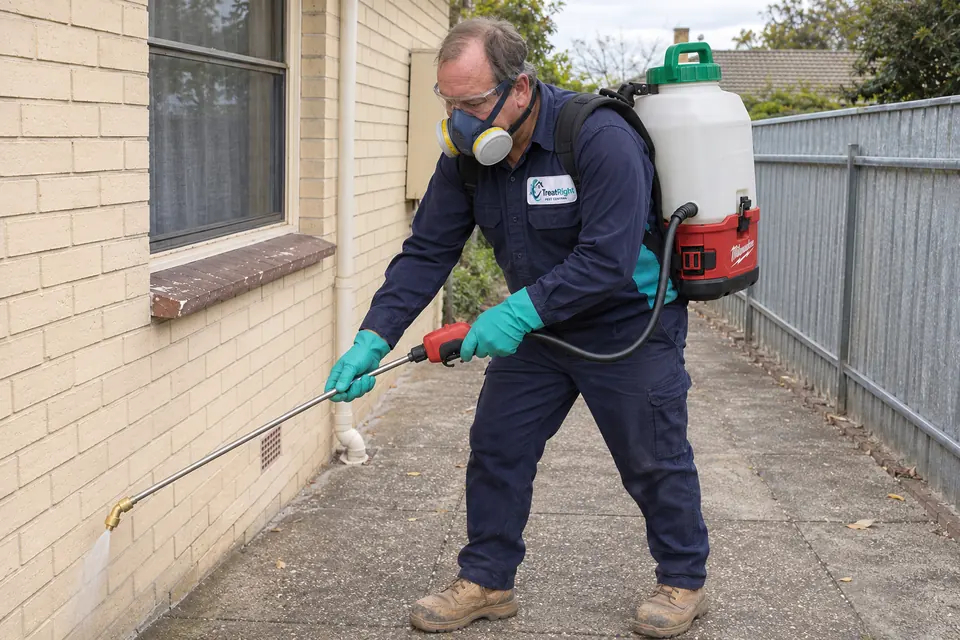
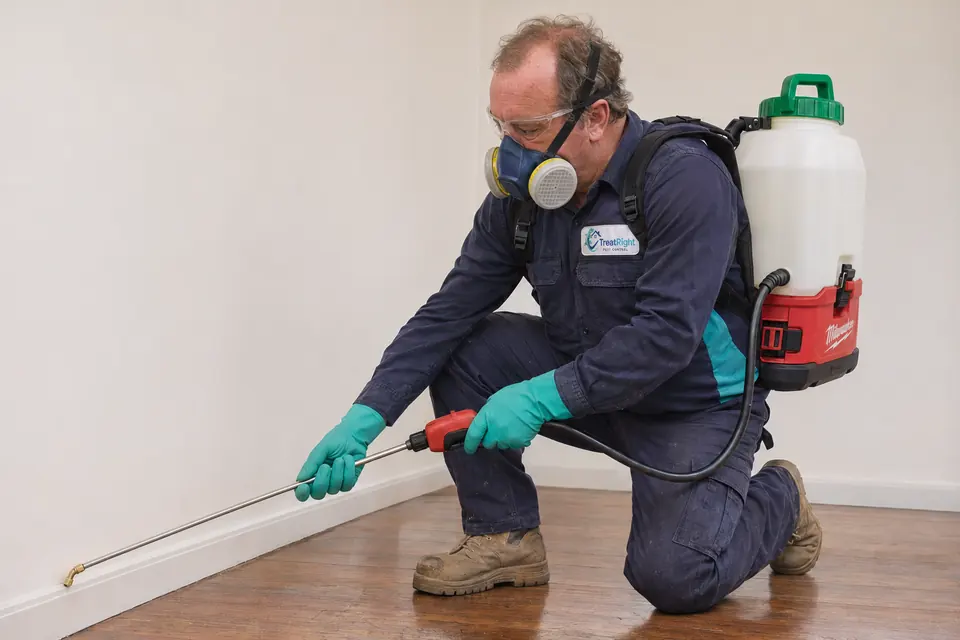
Before preparing, check the written scope: nominated pests, internal rooms, external edges, outbuildings and any excluded areas. A general pest visit is not automatically a termite inspection, German cockroach program or rodent service. The proposed TreatRight general scope includes internal skirting and an external perimeter component where appropriate, with the target pests agreed in the quote.
Tell the provider what you have seen and what products have already been used. Existing sprays can affect a targeted plan, particularly baits. Ask what preparation applies to the actual methods rather than following an unrelated online checklist. Confirm what happens if weather prevents exterior work or an area cannot be accessed. Knowing the intended job makes it easier to prepare without doing unnecessary lifting or moving potentially infested items around the house.
Discuss people and animals early
Tell the provider about infants, pregnancy, respiratory conditions, sensitivities, pets, assistance animals, aquaria, ponds and other household needs before the visit. That information helps determine whether the proposed method and access arrangements are suitable. A generic claim that a treatment is pet-safe or non-toxic does not replace a site-specific assessment and product directions.
Ask where people and animals will stay during the work and when they can return to each area. Do not turn aquarium equipment off or cover tanks based on a general marketing page. The plan must account for animal welfare and the selected product. If you cannot follow the proposed arrangements, raise the issue before the appointment. The provider may need to adjust the method, timing or scope rather than assume every household can prepare in the same way.
Food, utensils and belongings
Put away food, utensils, pet bowls and children’s items from nominated treatment areas according to the preparation instructions. Make accessible skirting and exterior edges available without moving heavy furniture unsafely. Do not dismantle cupboards, electrical appliances or building materials to help the technician. Ask whether a particular item needs to move and where it can safely go.
Food preparation surfaces require special attention and should not be treated as equivalent to wall edges or sheltered outdoor harbourage. The provider should explain protection and cleaning requirements for the actual method. If cockroaches or another pest may be carried in goods, do not transport those items into unaffected rooms without advice. Preparation should support the work and reduce exposure; it should not spread the problem or create a manual-handling hazard.
Access and the day of the visit
Unlock agreed gates and rooms, arrange separation from pets and make sure someone authorised can discuss the scope. Tell the provider about shared boundaries, rental permissions, known hazards and inaccessible areas. Roof and subfloor access are separate safety questions, not ordinary household preparation. Do not enter a cavity or repair an electrical issue yourself to avoid a limitation on the service.
Before treatment, the technician should review site conditions and confirm whether the planned approach remains suitable. If a specialist infestation or unsafe condition is found, revised work should be explained and agreed rather than added silently. Ask how incomplete areas or weather interruptions are recorded. A clear service record helps distinguish what was treated, what was excluded and what still needs attention after the visit.
Re-entry and cleaning are product specific
Follow the written directions for the products and application used. There is no universal waiting period that can responsibly apply to every treatment, surface, person and animal. Do not assume all residues are harmless once dry. Ask about outdoor play, pets, aquaria, food preparation areas and any special household circumstances that were discussed before the visit.
Cleaning instructions also vary. Some targeted placements should be protected from disruption while other surfaces require normal hygiene. Ask which areas can be washed and when routine cleaning can resume. Avoid spraying over a professional application or moving bait placements unless advised. If the instructions are unclear, seek clarification before using the area. The completed record should identify relevant products and precautions so aftercare is based on the actual work rather than memory.
Record activity and understand follow-up
Some activity can continue after treatment, depending on the pest, method and conditions. Ask what pattern is expected and when a review is useful. Keep a simple record of locations, dates and changes without handling pests or contaminated waste. New activity outside the original scope may need reassessment rather than an automatic repeat application. Continue practical food, water and entry-point measures recommended for the property.
TreatRight is preparing a national network with a Sydney head office, using independent licensed local subcontractors, with required licensing and current insurance checks before allocation. This preview does not send enquiries. The proposed from $199 offer needs approved written scope, total price and GST conditions. The proposed 6-month service warranty (terms apply) remains subject to final written terms and eligible pests; it is not a live promise or termite guarantee. Any additional warranty (terms apply) must preserve Australian Consumer Law rights. Keep the quote and service record so follow-up can be assessed against what was actually agreed.