
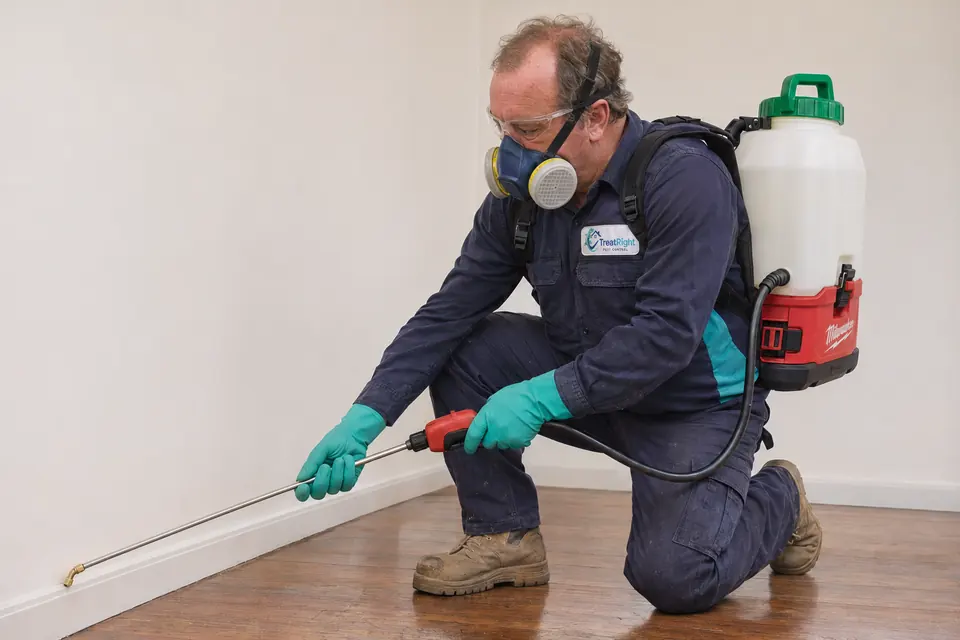
What you are seeing makes a difference
Cockroaches vary in behaviour and preferred harbourage. Larger outdoor species may enter a home through openings, while German cockroaches can establish indoor breeding populations around food, warmth and water. A small insect seen in the kitchen is not automatically a confirmed German cockroach, so identification matters. Record the size, location, time of activity and whether different life stages are present. A safe photograph can be useful without moving appliances or handling insects.
Repeated sightings around a warm appliance, droppings, egg cases or activity in cupboards are reasons to seek assessment. Daytime activity can be relevant but does not by itself quantify an infestation. Tell the provider about deliveries, second-hand equipment, adjoining tenancies and earlier treatments. Cockroach activity is not a reliable measure of personal cleanliness. Hygiene and storage matter to management, but pests can arrive with goods or move through building connections. An effective response addresses the actual source and conditions rather than blaming the household.
Why German cockroaches need a program
A German cockroach infestation is not ordinarily resolved by an exterior perimeter spray. Indoor breeding and hidden harbourage require a targeted plan that may combine inspection, monitoring, carefully placed baits or other label-appropriate methods, and changes to food and water access. The provider should explain why the chosen approach suits the site and whether follow-up visits are expected. A general pest quote should not quietly imply that a heavy indoor infestation is included.
Competing food, inaccessible harbourage and existing pesticide residues can affect results. Repeated household aerosol use may interfere with a bait program, so tell the technician what has been applied and where. Do not spray over bait placements or shift monitoring devices. The program should specify how progress is assessed and what evidence should be reported between visits. A few days without sightings is encouraging but does not necessarily establish that a hidden breeding population has been eliminated. Monitoring supports a more useful decision than a promise based on the first application.
Inspection and treatment around food
The assessment should consider accessible cupboards, appliance edges, plumbing areas, food storage and possible routes from adjoining spaces. Moving heavy appliances or opening electrical equipment can create hazards and should not be improvised by a homeowner. The provider must assess safe access and may recommend another trade where necessary. Food-contact surfaces, utensils and stored food need appropriate protection under the treatment plan. Products and application sites must comply with registered label directions.
Ask what the service record will include: target species, accessible areas assessed, treatment methods, products where relevant, monitoring locations and limitations. A commercial kitchen or shared food area has additional operational and permission questions. Treatment timing should be agreed with the person responsible for the premises. A pest program does not certify food as fit for consumption or replace the business’s food-safety response to contamination. Where goods are affected, follow appropriate professional or regulatory advice rather than assuming a nearby treatment makes them usable.
Preparing for a targeted indoor visit
Preparation should be specific enough to support the treatment without spreading the problem. Ask whether cupboards need to be emptied and where items should be placed. Avoid moving potentially infested appliances or boxes into unaffected rooms. Secure food, utensils and pet bowls as directed. Tell the provider about infants, sensitivities, pets, aquaria and any household circumstances that affect access or product selection. There is no universal preparation checklist that suits every method.
Remove accessible food residues and manage waste, but avoid aggressive cleaning of intended bait locations immediately before or after treatment unless advised. Report leaking taps or plumbing issues and arrange suitable repairs. Store dry goods in appropriate containers and inspect incoming items where practical. These actions reduce competition and harbourage; they do not replace a professional program where breeding is established. In a rental or apartment building, discuss access and coordination with the relevant manager because activity may involve shared routes beyond one dwelling’s treatment boundary.
Follow-up, cleaning and expectations
The provider should explain the expected pattern of activity and when monitoring will be reviewed. Different stages of an infestation and the site conditions can affect the pace of change. A program may need adjustment when access improves, food competition is reduced or a previously hidden harbourage becomes apparent. Follow-up should be based on evidence rather than simply repeating the same application indefinitely. Keep a short record of sightings and share changes in location or frequency.
Follow the written directions for re-entry, cleaning and protection of baits or other placements. Do not assume that dry residues are harmless or that every surface should be left uncleaned. Food preparation areas and treated harbourage can have different instructions. If activity persists, contact the provider with the record and avoid adding incompatible household products. New deliveries or adjoining premises can reintroduce cockroaches after progress has been made. The final plan should distinguish initial control, ongoing prevention and any additional visits or work needed outside the first scope.
Comparing quotes and checking suitability
The species, infestation extent, property layout, access, sensitive areas, monitoring needs and follow-up visits influence price. A quote for a few occasional outdoor cockroaches is not directly comparable with a German cockroach program in an occupied kitchen. Ask what is included, whether repeat visits are planned and how additional work is approved. No other fixed price or invented range is published here. The proposed from $199 general pest offer only covers pests and conditions agreed in its written scope.
TreatRight intends to arrange Adelaide field work through independent local subcontractors after relevant licensing and current insurance checks. Its own arranging obligations must be resolved before launch, and postcode and partner availability must be confirmed. This preview does not claim an already-vetted team or send live enquiries. The proposed 6-month general pest service warranty (terms apply) is subject to final written terms and does not automatically include an indoor cockroach program. Ask for the actual program conditions and responsibilities, with statutory consumer rights preserved. A useful quote makes these limits clear before treatment begins.
Avoid spreading the problem during a move
If you are moving house or replacing equipment while cockroach activity is present, discuss the timing with the provider. Cardboard, small appliances and stored goods can conceal insects or egg cases. Moving everything to a new room before assessment can make the original pattern harder to trace. A plan should distinguish items that can be checked safely from equipment requiring professional attention.
Do not open electrical housings or apply pesticide inside appliances based on a general webpage. Product labels and equipment safety matter. Tell the provider which items are being removed, delivered or retained so monitoring can account for those changes. In a business, coordinate stock movement with the site’s food-safety procedures and avoid transporting potentially affected goods without assessment. A successful reduction at the original address is of limited value if the same harbourage is carried into a new premises before the program has been reviewed.
Frequently asked questions
Will an external spray fix German cockroaches?
Not as a reliable stand-alone approach. Established indoor breeding usually needs identification, targeted treatment, monitoring, hygiene and access changes, with follow-up based on evidence.
Should I spray before the visit?
Tell the provider what you have used and ask for preparation directions. Household aerosols can interfere with targeted baits and obscure the original activity pattern.
Do I need to empty every cupboard?
Only follow the preparation requested for the selected method. Ask where items should go and how to avoid moving potentially infested materials into unaffected rooms.
Why might more than one visit be needed?
Hidden harbourage, infestation stages, food competition, access limitations and reintroduction affect outcomes. The quote should explain monitoring and follow-up rather than promising every problem ends after one application.