Recognise a pattern worth assessing
Repeated small cockroaches around warm kitchen equipment, cupboard edges or plumbing areas can justify an assessment. Droppings, egg cases and several life stages may also be relevant. None should be handled to produce a specimen. A safe photograph and a record of locations can help, but species should not be assumed from one hurried sighting. Other cockroaches have different habits and may need a different plan.
German cockroaches can establish indoor breeding populations. That is an important distinction from an occasional larger outdoor cockroach entering through an opening. Explain how often you see activity, where it occurs and what has already been applied. Include adjoining premises, deliveries and second-hand equipment in the history. The aim is to understand the pattern without suggesting that an infestation is a moral judgement about the occupants.
Why exterior-only treatment is a poor assumption
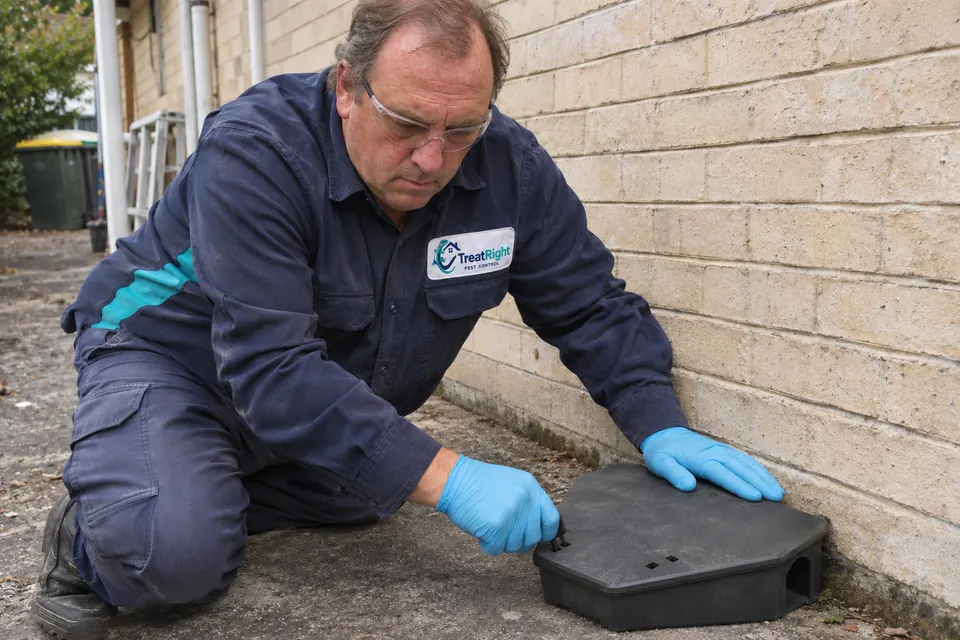
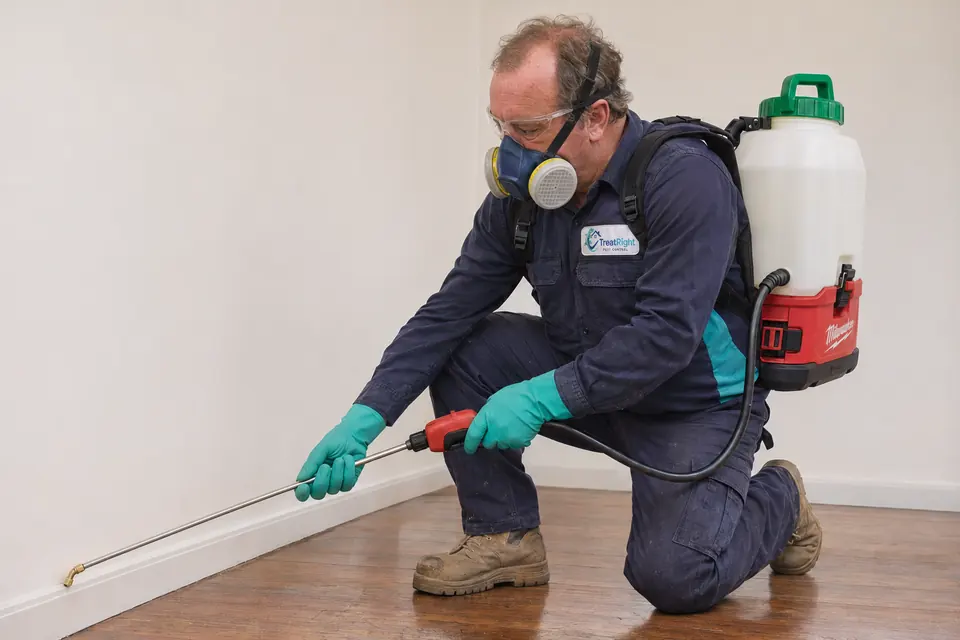
An exterior perimeter treatment does not reliably reach indoor breeding harbourage behind equipment or within suitable crevices. A German cockroach program may combine inspection, monitoring, targeted baits or other registered methods, and changes to food and water access. The method needs to fit the property and the product label. A provider should explain why its approach is suitable rather than call every indoor problem a standard spray.
Hidden areas, competing food and established pesticide residues can affect the result. Follow-up may be necessary to assess activity and adjust the plan. A single application cannot responsibly be promised to resolve every infestation regardless of access and conditions. Ask whether monitoring and return visits are included, how progress is measured and what circumstances would require additional work. These details make a quote more useful than a headline price alone.
Prepare without spreading harbourage
Ask for method-specific preparation. Emptying every cupboard and carrying boxes through the house can spread potentially infested material if done without a plan. The provider should say what needs to move, where it should go and what should remain accessible. Heavy appliances and electrical equipment create separate hazards; do not open housings or drag equipment into another room to investigate.
Secure food, utensils, pet bowls and children’s items as directed. Tell the provider about infants, pets, aquaria, sensitivities and operating constraints. In a business, coordinate timing with the person responsible for food safety. Treatments must protect food and food-contact surfaces. A pesticide application is not a certificate that contaminated goods are usable. Obtain appropriate advice about affected stock and do not move it to another location without considering the problem.
Hygiene supports targeted control
Accessible food residues, waste and leaking plumbing can sustain activity and compete with baits. Practical cleaning, appropriate food storage and repair of leaks support a program. These measures do not prove that a breeding population has disappeared. The objective is to reduce the resources available while the selected methods and monitoring address the insects.
Ask which treatment placements should be protected from cleaning and which surfaces require normal hygiene. Food preparation surfaces and hidden harbourage have different purposes; a blanket instruction to stop cleaning everything would be unhelpful. Do not spray household aerosol over bait or monitoring areas. If you have already used a product, provide its name and location if known. The technician needs that information to interpret activity and select an appropriate plan.
Read monitoring as evidence
Monitoring can reveal where activity persists and whether the pattern changes after treatment and preparation. A temporary absence of sightings is encouraging but may not establish that all hidden breeding has ended. Keep a simple record of dates and locations and avoid moving devices. Tell the provider about new deliveries, repairs or equipment changes that could affect interpretation.
A review should consider why activity continues, not just repeat the same application indefinitely. Access, food competition, reintroduction, species identification and hidden harbourage can all matter. In apartments or adjoining commercial tenancies, coordination may be needed because treatment boundaries do not always match pest movement. Agree who can authorise work in shared areas and how the provider will communicate unresolved limitations.
Ask for a program you understand
Before agreeing to work, confirm the target species, areas, preparation, records, visit schedule and follow-up terms. Compare quotes using those details. An indoor breeding program is not automatically included in a general pest offer, and invented universal price ranges do not help compare different scopes. Ask how additional work is approved and what your responsibilities are between visits.
TreatRight is preparing a national network with a Sydney head office, using independent licensed local subcontractors. Appropriate licensing and current insurance must be checked before allocation. Availability depends on postcode and suitable partners; this preview does not send enquiries or accept bookings. The guide is educational for Australian readers and does not imply nationwide field coverage. Product-specific instructions and the actual site assessment must govern treatment, with any service terms preserving applicable consumer rights.