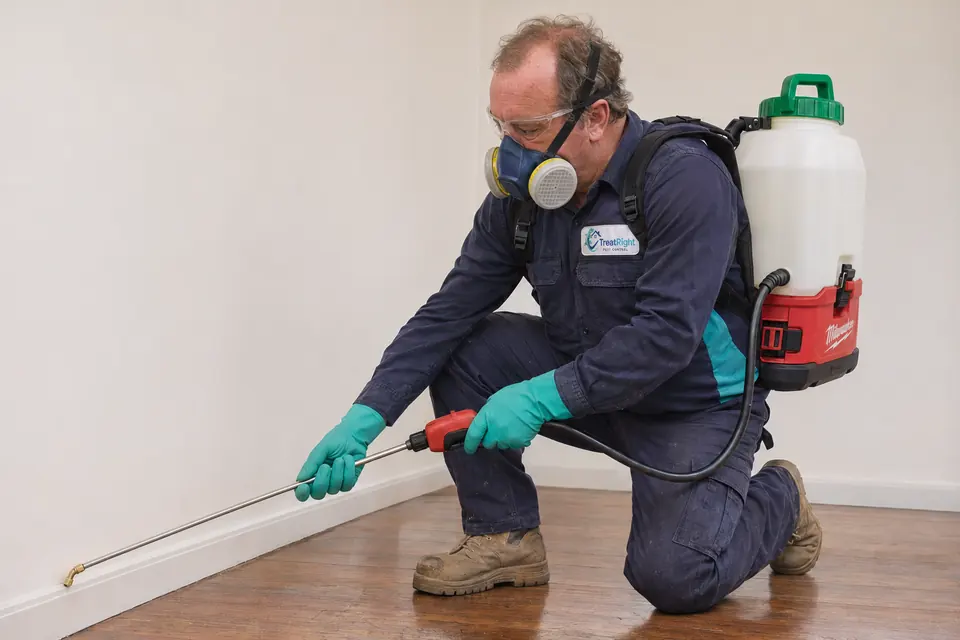
Start with operations, not a generic visit schedule
A commercial pest program should reflect the business, layout, stock, operating pattern and people on site. A cafe, warehouse, office and mixed-use building do not have identical exposure or reporting needs. Start by identifying the pest evidence and the operational consequences: contaminated packaging, customer-facing activity, damaged goods or repeated rodent sightings at a loading area. A useful assessment maps the actual problem rather than selling an identical package to every premises.
Tell the provider about production times, deliveries, waste collection, cleaners, tenants and any restrictions on access. A treatment that interrupts food preparation or exposes stored goods is not a well-designed service simply because it is quick. The intended program should identify responsibilities on both sides. The pest provider can monitor and treat within scope; the business must also manage food, waste, building defects and access. Written actions help the site manager coordinate those tasks instead of relying on verbal advice passed between shifts.
Inspection, site maps and rodent stations
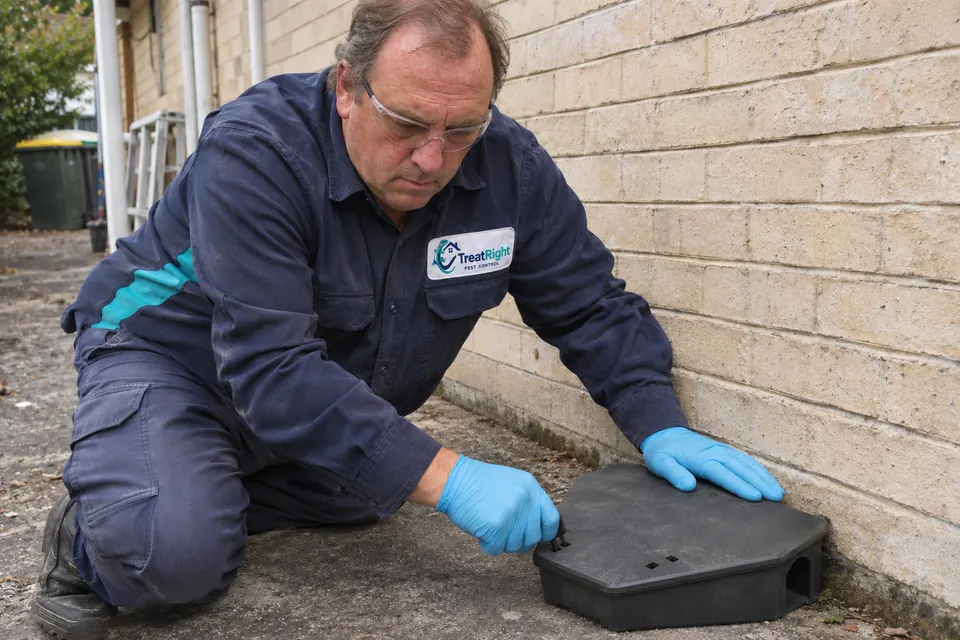
For commercial rodent baiting, a site plan can record numbered monitoring or bait locations and help keep visits consistent. Placement should follow evidence, likely routes, product requirements and non-target risks. Stations must be suitable, secured as required and positioned with consideration for staff, visitors, children, animals and goods. A site map is a working record, not proof that every possible rodent route has been controlled.
Monitoring records should identify what was checked, relevant activity, actions taken and changes needed. A station that cannot be accessed because stock has been stacked over it should be recorded as a limitation, not marked serviced. The program should explain how damaged or missing equipment is reported and replaced. Do not allow untrained staff to top up bait or move devices to a more convenient location. Changes should be assessed and reflected in the map so the monitoring history continues to mean something.
Food premises and sensitive areas
Food businesses need methods and timing that protect food, utensils, equipment and preparation surfaces. Treatment must fit the label and the operational environment. The provider should discuss isolation of stock, cleaning arrangements and re-entry before work begins. German cockroach activity around warm equipment may need targeted treatment and monitoring rather than an exterior spray. Rodent evidence in a storeroom may require attention to goods handling, access and sanitation as well as control devices.
A pest program can support the business’s own food-safety arrangements, but this draft does not claim certification, regulator approval or guaranteed audit compliance. Ask the person responsible for your food-safety system what records and reporting format are required. The provider should be honest about what its documents establish. Chemical-use records and monitoring logs are useful evidence of work performed; they are not a substitute for the business meeting its broader legal obligations. Any suspected contamination needs the site’s appropriate food-safety response, not a marketing assurance that treatment alone makes stock usable.
Integrated prevention and staff reporting
A practical program combines monitoring and treatment with prevention. Delivery checks, secure stock storage, waste handling, door management and prompt repair reporting can reduce conditions that sustain pests. Staff need a simple way to report evidence, including location, time and a safe photograph where possible. A log helps reveal whether activity is associated with a delivery, a particular room or an unresolved access point. It should not encourage staff to handle rodents or unknown insects.
Assign responsibility for corrective actions. If a door sweep is damaged, someone needs to arrange the repair and tell the provider when it is complete. If food waste is left near a loading area, the cleaning or operations process needs attention. The provider should distinguish recommendations within the pest program from repairs requiring a builder, electrician or plumber. In leased premises, the landlord and tenant may have different responsibilities; establish permissions before treatment or modifications in shared areas. Pest activity does not respect the boundary of a single tenancy.
Visit records, escalation and review
The service record should make sense to someone who was not present during the visit. It should explain areas inspected, activity observed, devices serviced, products used where relevant, limitations and required actions. Keep records available to the site manager and relevant staff without spreading unnecessary personal information. A change in pest evidence, a damaged station or an incident needs a clear reporting route. Agree who can authorise extra work and how costs will be confirmed.
Frequency should follow the site assessment, pest history, method and relevant requirements rather than an invented universal interval. A new issue may justify an additional assessment between scheduled visits. Conversely, a program should be reviewed when operations, building layout or stock patterns change. Ask how results are evaluated: persistent activity despite repeated treatment may point to access, food competition or an identification problem. More chemical is not automatically the answer. A considered review makes the program responsive and helps keep the records tied to real decisions.
Commercial scope and contracting
Commercial pricing depends on site size and complexity, pest targets, device needs, access windows, reporting requirements, monitoring frequency and any separately agreed cleanup or repairs. The quote should distinguish initial setup from ongoing service and explain equipment ownership, replacement and termination arrangements. After-hours access, multiple tenancies and sensitive stock can affect scheduling without implying that TreatRight provides a 24-hour or same-day service. We do not publish invented commercial rates.
TreatRight’s proposed model uses independent local subcontractors for field work. Relevant business and technician licences, endorsements where necessary and current insurance must be checked before allocation. Its own arranging obligations must be settled before launch. Availability remains subject to postcode and suitable partner confirmation. This preview does not accept live enquiries or claim an existing certified commercial team. General residential from $199 pricing and the proposed 6-month service warranty (terms apply) are not a commercial maintenance contract. Obtain written terms matched to your premises, with clear scope and no attempt to displace applicable consumer rights.
When the premises change
Review the pest plan when a business adds a cool room, moves shelving, changes waste storage or takes on an adjoining tenancy. A map that matched the old layout may no longer describe accessible devices or relevant routes. Inform the provider before builders relocate stations or cover inspection areas. Construction can also introduce temporary access points and change how stock is handled.
Assign an internal contact for handover between managers. That person should know where the site plan and service records are kept, which actions remain outstanding and how an incident is escalated. A program can lose effectiveness when monitoring continues but nobody owns the repair recommendations. During a handover, check device locations and access arrangements with the provider rather than assuming the next manager has received every email. These practical steps make the record useful to operations and help keep changes to the program deliberate, authorised and traceable.
Frequently asked questions
Will the program certify our food business?
No certification or regulator approval is claimed. A documented pest program can support your own compliance processes, but the business must confirm its obligations and required records with appropriate advisers or authorities.
Can staff refill rodent stations?
Do not alter stations or add bait outside the agreed program. Product requirements, non-target exposure and reliable monitoring records matter. Report issues to the provider for assessment.
How often are visits needed?
Frequency depends on site conditions, pest evidence, methods and relevant requirements. Agree a schedule and a process for additional assessment when activity or operations change.
Are reports and a site map included?
They should be expressly specified in the quote. Define the records, map format, device numbering and access limitations so the business can use the program consistently across shifts.