Identify the pattern before treating the trail
Ants may enter for food or water, move through gaps in the building or establish activity in garden and structural spaces. Different species and colony arrangements can respond differently to control methods. Colour and size alone may not settle identification, especially from a distant photograph. Record the route, rooms affected, time of day and whether activity changes with weather or food availability. Avoid disturbing the trail before the assessment if it can safely be left alone.
A visible trail is only part of the problem. Killing the workers you can see may not address the source and can make a targeted program harder to interpret. Tell the provider about household sprays, powders or baits already used, including the locations. Repeated activity around a tap may suggest a water source worth investigating, while ants arriving with a food spill may need a different response. The assessment should distinguish those circumstances rather than automatically recommending a whole-property chemical application.
Species, source and practical limits
A useful inspection considers likely species, entry points, food and water, and where activity can actually be followed. The nest may be outdoors, concealed in construction or beyond the treatment boundary. A technician cannot always locate it during a single accessible inspection. The plan should state that uncertainty and explain whether monitoring or a targeted bait approach is appropriate. Claims that every ant nest will be found and eliminated in one visit are not realistic for every property.
In shared buildings, ants may move through common areas or adjoining properties. Permission and coordination can matter as much as the chosen product. An individual resident cannot authorise treatment across all tenancies or a neighbour’s garden. Ask what can be achieved within the agreed boundary and what depends on broader cooperation. Suspected pest species that raise biosecurity concerns need appropriate identification and official advice rather than casual movement of soil or materials. Do not transport insects to another location to see whether the problem follows them.
Targeted treatment and bait expectations
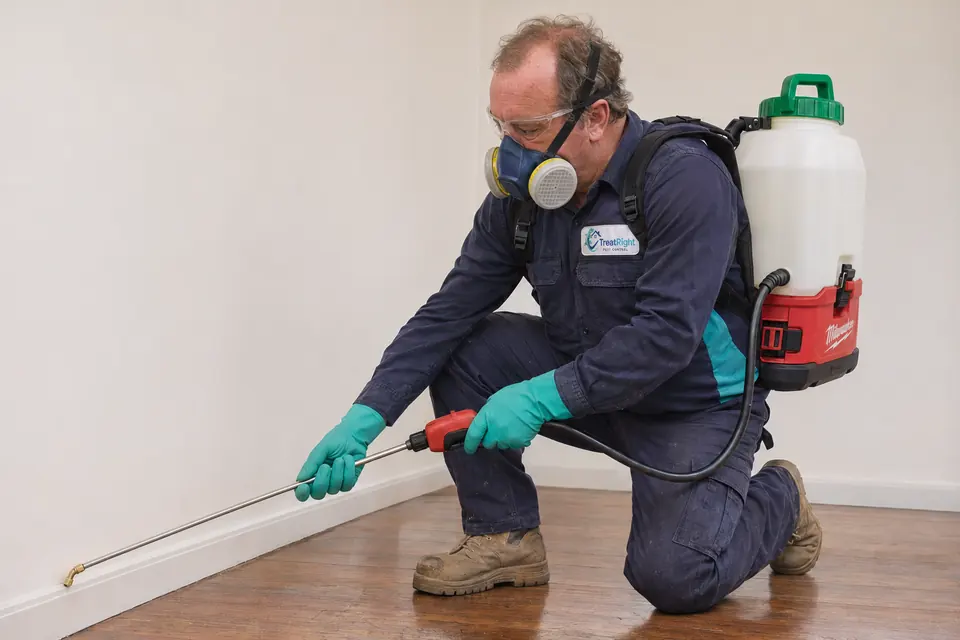
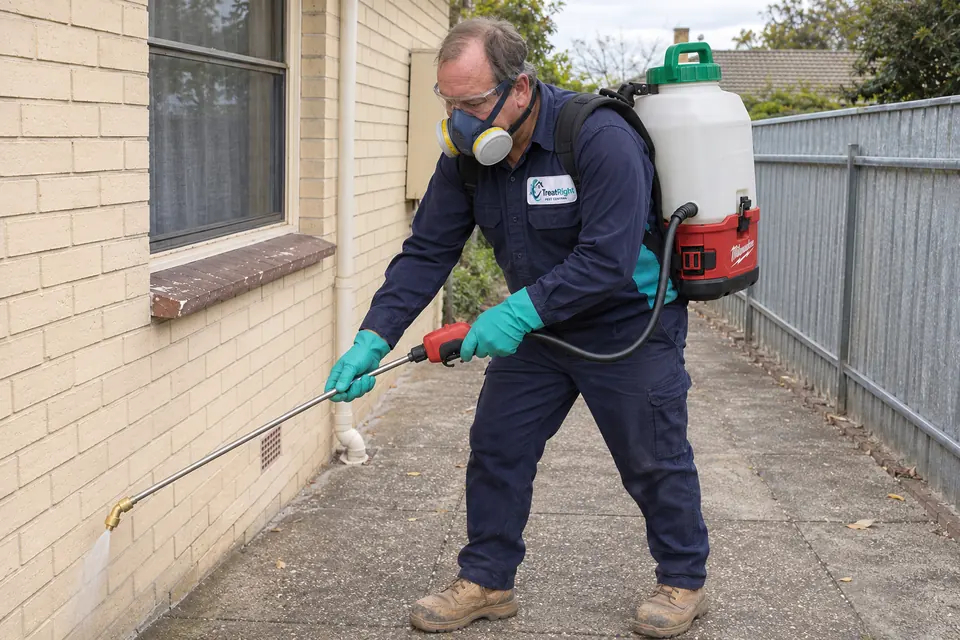
Depending on identification and site conditions, control may use targeted baits, suitable residual treatment, exclusion and practical source reduction. Any application must fit registered product directions and the surfaces and people involved. Baits are intended to be encountered by the target ants, so household sprays placed over them can interfere with the plan. Ask which placements should be protected from cleaning and which areas should remain clear. Do not add extra bait or combine products without the provider’s advice.
Visible activity around a bait can initially look counterintuitive because ants need to encounter it for the method to work. The provider should explain what is expected and when the pattern should be reviewed, without guaranteeing an identical timeline for every species and colony. If ants ignore a placement or begin appearing elsewhere, record the change. Food preferences and competing sources can affect uptake. A review may call for reassessment rather than simply increasing the amount applied. The method should remain tied to evidence and label requirements.
Household preparation and hygiene
Tell the provider about children, pets, aquaria, sensitivities and the areas used for food preparation. Secure food and pet bowls and make the nominated edges accessible without dismantling cupboards or moving heavy equipment unsafely. Photograph or describe trails before ordinary cleaning removes them. Do not place your hands into an unknown nest or dig around building footings to find the source. Preparation should improve access while preserving useful evidence and avoiding unnecessary exposure.
Managing crumbs, sugary residues, bins and accessible water helps reduce competing resources. Food can be stored in appropriate sealed containers, and leaking plumbing should be assessed by a suitable trade. These steps support control without implying that ant activity proves poor housekeeping. Outdoor vegetation, paving gaps and soil conditions may also matter, but major changes should follow assessment. An ant treatment is not a drainage repair, a building waterproofing service or a structural inspection. The quote should identify when another professional’s advice is needed.
Aftercare and preventing repeat activity
Follow product-specific re-entry and cleaning directions, especially around food-contact surfaces and bait placements. A generic statement that a product is pet-safe or harmless after drying is not adequate. The attending technician should give the instructions that apply to the actual method and household. Keep children and animals away from treatment areas for the specified period and ask what to do if a placement is disturbed. Do not move treatment materials to another room yourself.
Maintain a short record of trail locations and timing after treatment. Ant activity can change as weather, food sources and colony behaviour change. A reduction in one room does not necessarily establish that every source has been resolved. Repairing suitable entry gaps, improving food storage and managing moisture can support longer-term prevention. Open outdoor environments can supply new activity, so permanent absence cannot be promised. If the issue returns, compare it with the nominated species and treated areas before deciding whether it falls within the original scope or needs a new assessment.
Scope, cost factors and service terms
Price depends on the identified concern, property layout, activity extent, access, treatment boundaries and monitoring or return visits. A trail at a single accessible kitchen edge differs from persistent activity across several buildings or shared areas. Ask the quote to state target pests, methods, locations, preparation and follow-up. The proposed from $199 general pest offer includes ants only where agreed in its written scope; it is not a fixed price for every colony or infestation. We do not publish invented specialist price ranges.
TreatRight is preparing a national model with a Sydney head office and independent licensed local subcontractors carrying out field services. Relevant business and technician licences and current insurance must be checked before allocation, with postcode and partner availability confirmed. This preview does not claim already-completed onboarding or accept live enquiries. The proposed 6-month service warranty (terms apply) remains subject to final written terms defining eligible pests and scope. It is not a promise that ants can never return. Written service terms must preserve Australian Consumer Law rights and explain the practical responsibilities of both provider and customer.
When activity moves to another room
A change in the visible trail is useful information rather than automatic proof that treatment has failed. Note whether the new route follows plumbing, a window edge or a recently moved food source. Tell the provider about cleaning, weather changes and household products applied since the visit. That context supports a decision about whether the same colony or a different source is involved.
Avoid sealing a visible route or adding aerosol before asking how it affects the selected method. Some plans depend on observing movement or allowing ants to encounter a targeted placement. If the route crosses an area that cannot safely remain in use, discuss that practical constraint promptly. A household should not be expected to tolerate an unmanageable situation without guidance. The provider can reassess the plan, explain suitable precautions and agree whether the change sits within the original scope or calls for a separately approved investigation.
Frequently asked questions
Why not just spray the ants I can see?
Visible workers may be only part of a wider colony. Indiscriminate spraying can interfere with a targeted plan. Identification, source assessment and suitable treatment are more useful than repeatedly removing the same trail.
Is bait attraction a sign it is failing?
Not necessarily. Ants need to encounter a bait for it to work. Ask the provider what activity is expected, what should be recorded and when the placement or method will be reviewed.
Can all nests be found?
No. Colonies can be concealed, beyond a property boundary or difficult to trace during an accessible inspection. The plan should explain uncertainty, monitoring and realistic treatment limits.
Are ants always included in general pest control?
Only nominated pests and agreed conditions are included. Ask whether the species, affected areas and likely follow-up fit the general scope or require a separate targeted program.