Wildlife management starts with identification
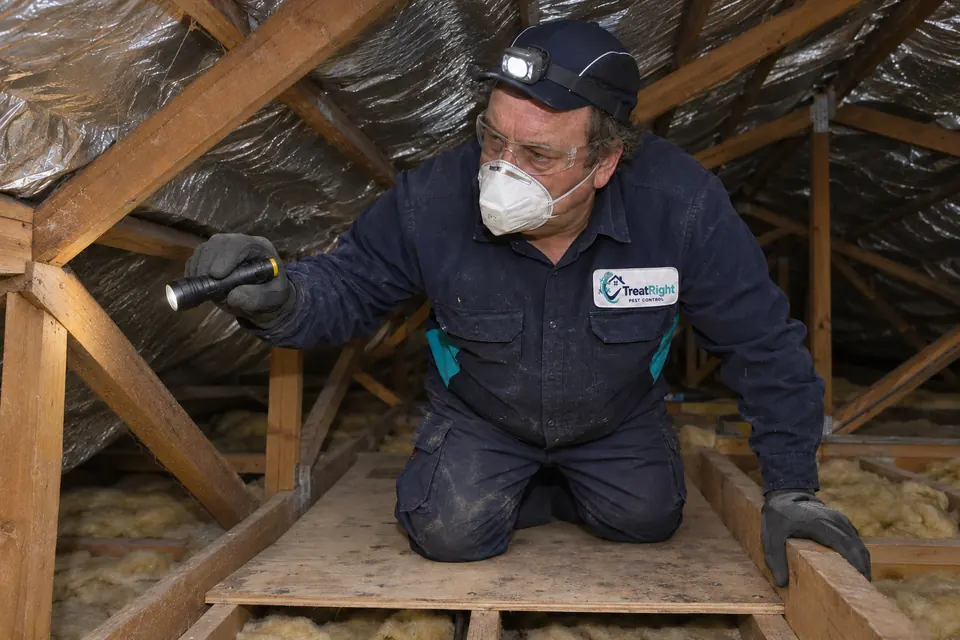
A noise in the roof does not establish that a possum is responsible. Rats, birds and building movement can create confusing sounds. Record timing and visible exterior activity without climbing or entering the cavity. A suitable provider should assess evidence and explain any uncertainty before proposing capture or exclusion.
Possums are native wildlife, so their management is different from a crawling-insect treatment. The goal is to resolve a building conflict lawfully and protect animal welfare. A customer’s wish to remove an animal from the neighbourhood does not determine what the law allows. The South Australian environment authority’s guidance and the actual permit conditions must shape the plan. This guide summarises the supplied research position at the time of writing (November 2026); it is not a substitute for checking current authorisation for the job.
The South Australian capture and release framework
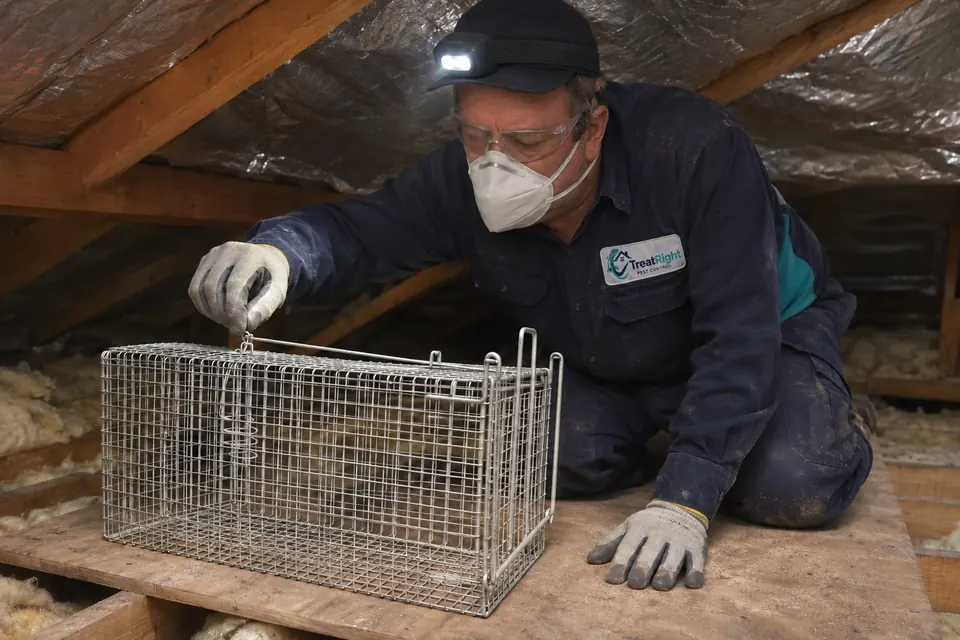
The state guidance requires a permit or a permitted controller for capture and release. Trapping is limited to built structures under the applicable conditions. A captured possum must be released on the same property within 50 metres of capture, after dusk and within 24 hours. Those conditions are central to the service, not optional preferences that can be changed because another destination seems convenient.
Off-property relocation is not offered. Moving the animal to bushland or a distant park would not satisfy the on-site release requirements described in the guidance. Ask who holds the relevant authority and how its conditions apply to your premises. If the circumstances fall outside the permit, seek advice rather than improvising a different release plan. An ordinary pest-control booking alone does not establish that the attending person has the required wildlife authorisation.
Dependent young and occupancy checks
Before exclusion, the provider must consider whether animals or dependent young remain inside. A single sighting of an adult leaving does not automatically settle that question. Sealing the opening too early can confine an animal or separate dependent young from a parent. A management plan should explain the assessment and timing without inviting the homeowner to enter a hazardous roof space.
Do not set a trial trap while waiting for an appointment. Capture creates immediate welfare and timing obligations. Equipment is only one part of the process; monitoring, handling, authorisation and release conditions matter as well. Tell the provider about previous trapping, sealed gaps and recent changes in noise. That history can help identify whether an animal may already be confined and whether the situation needs a different response from routine exclusion work.
Building repairs are part of a coordinated plan
Preventing re-entry may require work to eaves, roofing or other openings. Repairs should follow suitable occupancy checks and be carried out safely. A wildlife provider can identify a suspected route without necessarily being the right trade to repair every roof detail. Elevated work, fragile materials and weatherproofing need appropriate skills and equipment.
Ask which openings are within scope and which remain uncertain. Shared roofs and adjoining structures can complicate permissions and access. A tenant may need the owner or manager involved before repairs are approved. Do not assume that a neighbour’s cooperation permits capture on one property and release on another. The capture location and permit conditions remain relevant. A nesting alternative may be discussed with the provider, but it is not a guarantee that the animal will choose it.
What the household can safely prepare
Keep a record of activity from safe areas and provide photographs of visible exterior openings if available. Arrange ordinary access permissions and keep pets away from assessment and release areas as directed. Do not feed the animal to influence its movement, use pesticide as a deterrent or handle it yourself. Inform the provider about dogs, children and shared spaces that affect the welfare plan.
An injured or distressed animal may need appropriate wildlife assistance rather than a standard building-management appointment. This guide does not provide veterinary instructions. Maintain distance and seek suitable help. If an assessment cannot proceed because access or authorisation is missing, the provider should explain that limitation clearly. A partial investigation is not the same as a completed management and exclusion program, and the paperwork should reflect what actually happened.
Questions to ask before agreeing to work
Confirm identification, relevant permit authority, current conditions, safe access, monitoring, on-site release arrangements and the timing of repairs. Ask what happens if dependent young are suspected or the initial identification is wrong. A written quote should separate assessment, authorised capture work, follow-up and building repairs. Do not compare the service with general spraying as though the same method and obligations apply.
TreatRight’s proposed Adelaide work depends on appropriate independent partners, applicable licence and permit checks and current insurance verification before allocation. No current permit or completed onboarding is claimed. This local preview does not accept bookings or send enquiries. South Australian conditions should not be copied to other states: wildlife requirements differ and need local verification. The intended outcome is a lawful, welfare-conscious resolution with honest limits and a clear record of any repairs still needed.