Start with the building and the problem
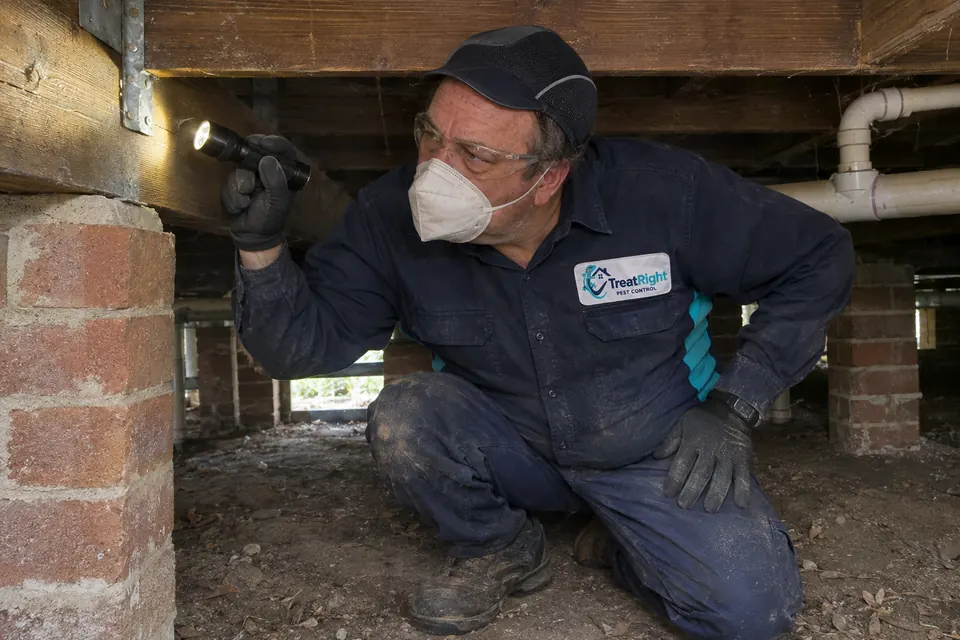
The term termite barrier is often used loosely. A property may need assessment of active termites, improvement to inspection access, a chemical soil treatment, a physical system associated with building work, or an ongoing bait monitoring program. These are not interchangeable tasks. Before discussing installation, establish whether there is suspected active infestation and what system already exists. Leave suspected activity undisturbed and arrange a timber pest assessment with an appropriately endorsed technician.
A management proposal should explain the construction, relevant access limitations and the intended function of each component. A slab edge covered by paving creates different access questions from exposed soil around a raised timber floor. Extensions, landscaping and attached structures can interrupt continuity or conceal inspection zones. The best-looking line on a diagram is not enough if it cannot be installed as specified. Ask which parts of the proposal depend on further investigation and which maintenance responsibilities will remain with the owner.
Chemical soil treatment zones
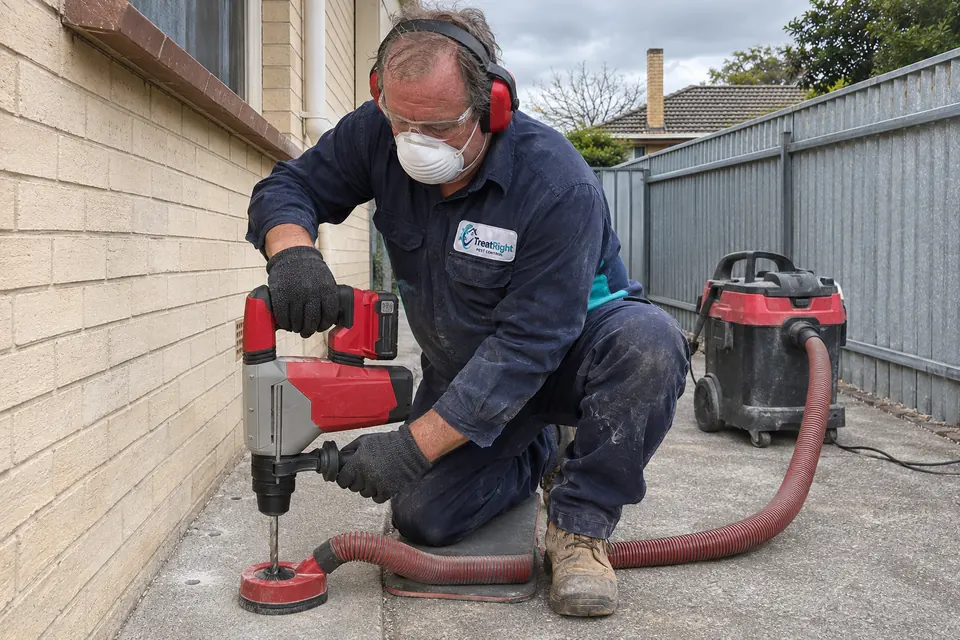
A chemical soil treatment creates a treated zone in suitable soil using a registered product and its label requirements. Depending on the building and access, installation may involve trenching, rodding or drilling through suitable hard surfaces. The details must be designed for the site. A simple perimeter measurement does not tell you whether the required zone can be continuous or whether concealed construction prevents the intended application. Drilling must account for services, construction and safe work methods.
Ask the provider to distinguish accessible soil from concrete or paving, describe reinstatement and identify any areas that cannot be treated. The quote should name the proposed product or system and explain the records you will receive. Do not ask for a household mixing recipe or attempt to reproduce a professional installation. Product labels determine permitted use and precautions. A chemical zone is not a guarantee that every future termite will be stopped, and inspections remain important for detecting breaches, conducive conditions and changes around the building.
Physical systems and reticulation
Physical termite management components are commonly incorporated into building design. Their function depends on correct detailing at joints, penetrations and other entry points. Retrofitting a physical component to an existing building may be constrained by construction and access. Ask what is actually being protected and how the installation relates to visible inspection zones. Claims of whole-property protection should not substitute for a clear explanation of the system and its limits.
Reticulation uses installed delivery infrastructure for a specified treatment arrangement and future servicing. It is not simply another name for a one-off perimeter spray. Existing pipework needs identification and assessment before any recharge is proposed. Records should explain the system, compatible products, service requirements and any inaccessible sections. A recharge interval cannot be inferred from an unrelated neighbour’s system. Preserve plans and notices for future owners and contractors so later paving, plumbing work or garden changes do not unknowingly interfere with the arrangement.
Baits are a different management approach
Termite baiting and monitoring systems use stations and an ongoing inspection and servicing process. They are not chemical soil barriers. A proposal should distinguish station installation, monitoring visits, response to detected activity and any replenishment obligations. Ask who is responsible for each visit and what happens if access to stations is blocked. A station installed and then forgotten should not be described as an active ongoing program.
Different properties and activity patterns can lead to different recommendations. A bait approach may form part of a broader plan rather than being the automatic choice everywhere. Avoid judging systems only by the initial installation price. The ongoing schedule, access, recordkeeping and owner responsibilities affect the practical commitment. If an active infestation is involved, ask how it will be assessed and managed and how progress will be reviewed. No responsible proposal can promise an identical timeline for every colony or building.
New construction, existing homes and standards
AS 3660.1 addresses termite management for new building work, while AS 3660.2 concerns management in and around existing structures. These distinctions matter when comparing an installation for a new extension with management of an established home. The National Construction Code edition, state adoption and project requirements must be checked for the actual building work. A general webpage cannot certify compliance for a particular design or approve a construction detail.
Ask the builder, designer and termite provider to clarify responsibilities where work overlaps. An installer’s documentation is valuable, but it does not automatically establish every aspect of building compliance. New penetrations, changes to ground level, concealed slab edges and bridged inspection zones can affect a system after installation. Make landscaping and renovation decisions with the system information available. If the property changes hands, pass those records on. An inspection schedule should follow the system, product requirements and property conditions rather than a universal advertised service life.
Comparing complete written proposals
A useful quote separates inspection, active treatment if needed, installation, hard-surface access, reinstatement, ongoing monitoring and later servicing. For chemical work, lineal metres can be one input, but the amount of concrete access, product requirements and continuity issues can change the result. For bait systems, compare the monitoring commitment and replenishment arrangements. For physical systems, compare the actual protected interfaces and building scope. No made-up national price range can resolve these differences.
TreatRight intends to arrange work through independent local partners only after appropriate licence, timber endorsement and current insurance checks. Its own arranging obligations must also be resolved before launch. Availability and method remain property specific. The proposed general pest 6-month service warranty (terms apply) is not a termite guarantee and does not replace the written terms for any management system. Request the system-specific conditions, exclusions, inspection obligations and any manufacturer documentation. Consumer rights under Australian Consumer Law remain relevant regardless of any additional warranty (terms apply) wording.
Keep a system record with the property
After installation, keep the plan, treatment record, product or system information, service requirements and any notices together. Record later work near the perimeter, including plumbing excavations, new paving, garden beds and extensions. This history helps a future inspector understand what may have changed since the original installation.
Before approving a renovation, show the relevant records to the builder and termite provider. Ask whether the proposed work could bridge an inspection zone, disturb treated soil or affect access for monitoring. A system is easier to maintain when those questions are addressed before concrete is poured or a deck conceals the edge. If documents are missing at a property you have purchased, seek assessment rather than assuming the oldest visible notice describes the whole current arrangement. Transfer the records to the next owner, including unresolved limitations and scheduled servicing, so maintenance does not depend on someone remembering a conversation from years earlier.
Frequently asked questions
How long does a barrier last?
There is no universal service life. Product labels, system design, soil and building conditions, disturbance and maintenance affect the answer. Obtain system-specific documentation and inspection advice.
Is baiting a barrier?
No. Bait monitoring is an ongoing management approach with stations and servicing. It should be quoted and explained separately from a chemical soil treatment zone.
Can paving affect protection?
Paving, excavation and changed ground levels can interfere with treatment access or inspection zones. Consult the system records and provider before changing the perimeter of a protected building.
Is drilling always required?
No. Construction and access determine the method. A site proposal should explain where soil is accessible, where hard surfaces need work and any sections that cannot be treated as intended.