Define the job before comparing prices
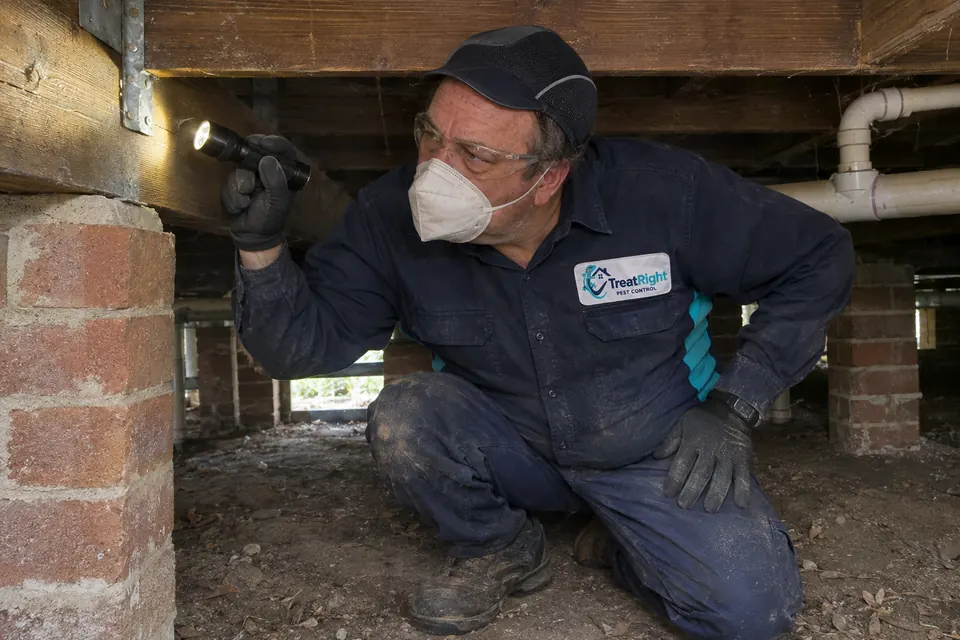
A quote described as a termite barrier can refer to very different work. Active infestation treatment, future risk management, physical components in new construction and an ongoing bait program are not interchangeable. Start with the building, the evidence and the intended outcome. An inspection may be needed before a responsible installation proposal can be prepared.
Useful information includes construction type, accessible soil, hard surfaces, extensions, existing system records and planned building changes. A perimeter length alone does not describe all the work. Access, continuity, services and reinstatement can change the method. This guide deliberately avoids a made-up national price range. A meaningful comparison needs written scopes that describe the same tasks and the same ongoing obligations, not just similar names.
Chemical soil treatment zones
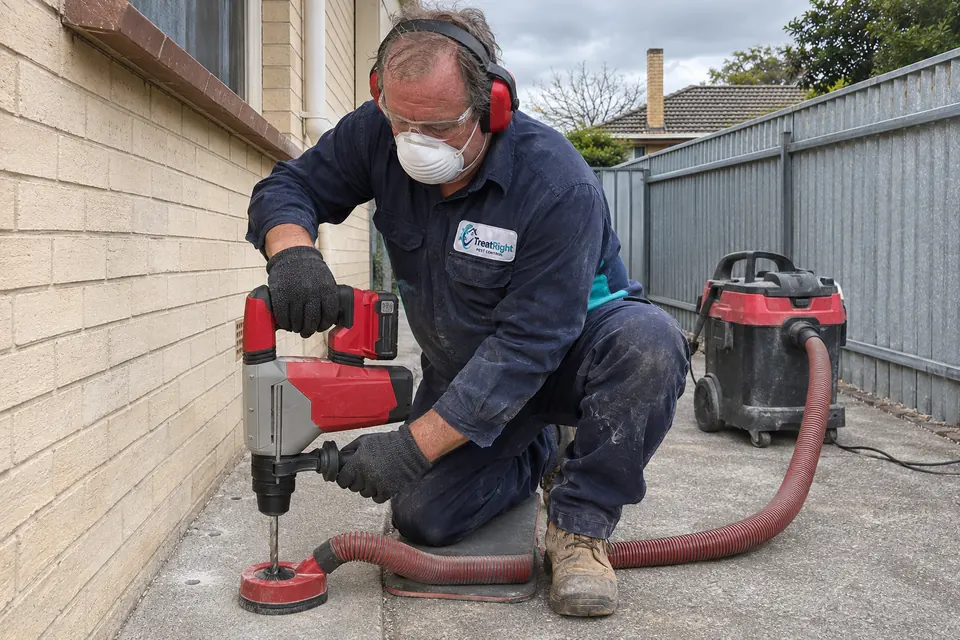
Chemical soil treatment uses a registered product under its label directions to establish the specified treated zone. Depending on construction and access, the work may involve trenching, rodding or drilling through suitable hard surfaces. The proposal should explain which sections are accessible and where the intended continuity cannot be achieved. Safe work around services and construction is essential.
Ask whether hard-surface access and reinstatement are included and how the completed treatment will be documented. Product identity and system records matter for later servicing and property changes. Do not attempt to reproduce the installation using a household mixing recipe. A chemical zone is not a guarantee that every future termite is excluded from the property. Inspection access and ongoing checks remain part of management.
Physical components and new building work
Physical termite management systems are often integrated with building design, including details at joints and penetrations. Their suitability and continuity depend on the actual construction. A component installed at one interface does not automatically protect every route into the whole property. Retrofitting to an existing building may be constrained by inaccessible construction.
AS 3660.1 addresses termite management for new building work, while AS 3660.2 concerns management in and around existing structures. The relevant National Construction Code edition and state adoption must be checked for the actual project. A webpage cannot certify a design or installation. Ask the builder, designer and provider to clarify their responsibilities and provide the required project documentation. Later changes to inspection zones and penetrations should be considered before construction proceeds.
Reticulation and its service requirements
Reticulation uses installed delivery infrastructure for a specified treatment arrangement and future servicing. Existing pipework needs identification and assessment before recharging is proposed. An unknown pipe is not proof of a functioning current system. Ask for the system plan, compatible product requirements, accessible servicing points and any limitations.
There is no universal recharge interval or system life that applies to every property. Product and system requirements, installation details, disturbance and site conditions matter. Keep records of servicing and changes around the building. Before new paving, excavation or landscaping, consult the system information so work does not unknowingly damage or conceal important parts. Future owners and trades need those records too, rather than relying on a remembered conversation about a barrier installed years earlier.
Bait monitoring is a separate approach
Bait systems use stations and an ongoing inspection and servicing process. They are not soil barriers. A proposal should separate initial installation, monitoring, response to detected activity and replenishment. Ask who is responsible for visits, how access is maintained and what happens if monitoring is missed. An installed station without ongoing attention should not be casually described as an active program.
A bait approach may be recommended as part of a broader management plan depending on assessment. The initial fee is only one element of the commitment. Monitoring frequency, service terms and review arrangements influence the practical cost and usefulness. If active termites are present, ask how progress will be assessed without expecting an identical colony-response timeline at every building. Leave suspected activity undisturbed while seeking that assessment.
Compare complete proposals and records
A useful quote distinguishes inspection, active treatment, installation, hard-surface work, reinstatement, monitoring and later servicing. Ask what is excluded, what remains inaccessible and what owner actions are required. System-specific warranty (terms apply) wording should be read alongside inspection obligations and limitations. The proposed TreatRight general pest warranty (terms apply) is not a termite guarantee or a substitute for these documents.
TreatRight intends to arrange Adelaide work through independent local partners after licence, timber endorsement and current insurance checks. Coverage and suitable partner availability must be confirmed. This preview does not accept bookings or send enquiries. Educational content for Australian readers does not imply national installations are available. Choose a plan based on the actual site and current requirements, with written terms that preserve applicable consumer rights and make maintenance responsibilities understandable.