Use several clues, not one dropping
Rats and mice differ in size and habits, but a brief noise or isolated dropping is not a complete identification. Gnawed packaging, repeated sightings, accessible tracks and the location of activity can help an assessment. Evidence may be old, and other animals can make roof noises. A provider should weigh several observations before selecting a method.
Record what you can see from safe occupied areas. Do not enter a roof cavity, handle waste or approach an animal to improve identification. A photograph and notes about timing are useful. Tell the provider about pet food, deliveries, damaged doors, shared walls and previous treatments. Rodents need food, water and shelter, so the route between those resources can matter more than the room in which they were first noticed.
Inspect before placing control devices
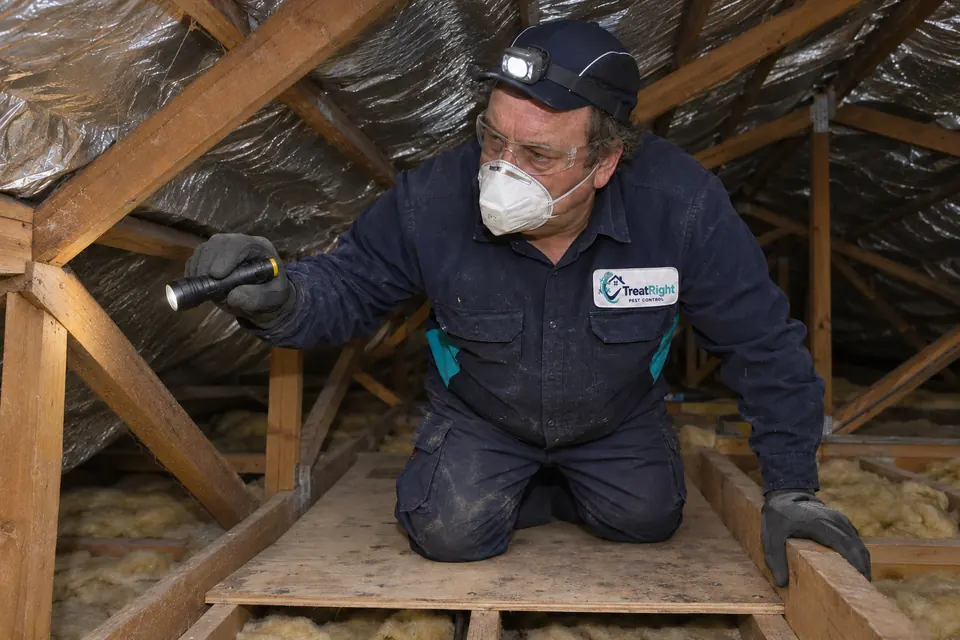
A rodent assessment should consider likely species, fresh evidence, routes, non-target animals and the people using the site. A household with a hunting cat, free-ranging chickens or young children may need different precautions from a locked storeroom. Roof activity should not automatically trigger poison placement because the animal might be a possum or another visitor.
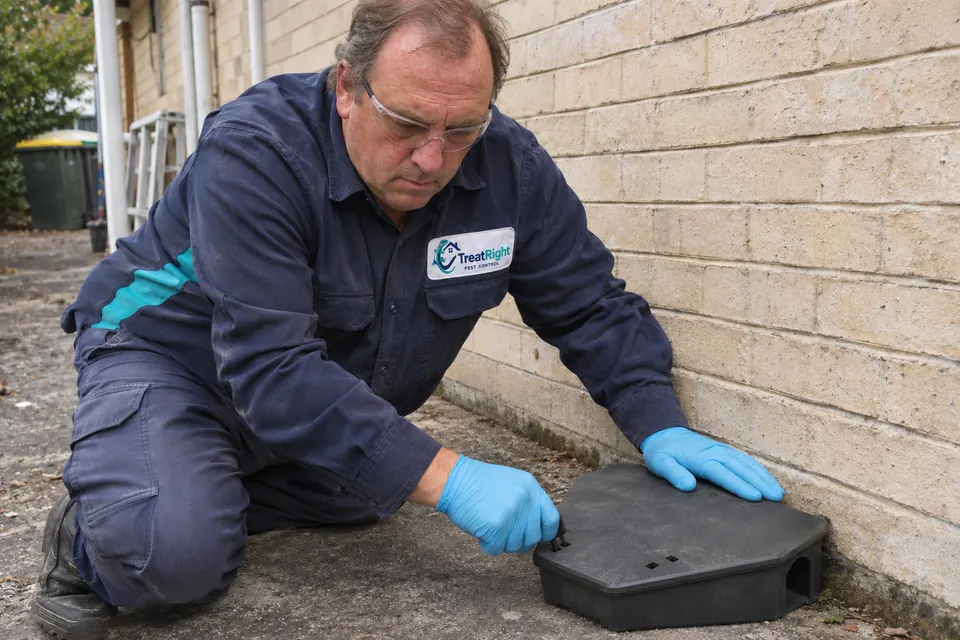
The plan may combine suitable traps, secured bait stations, monitoring and exclusion. Product directions and site conditions determine how a method can be used. Secured stations reduce access but are not a zero-risk promise. Ask how devices are checked, how damaged equipment is reported and what records will be kept. Do not move stations or add household bait independently, because that changes exposure and makes the monitoring history harder to interpret.
Consider direct and secondary exposure
Rodenticides can affect pets and wildlife through direct access or through poisoned prey, depending on the product and circumstances. The provider should consider those pathways rather than describing all bait as pet-safe. Explain which animals use the site and whether pets hunt or scavenge. A method that suits one property may be unsuitable elsewhere.
Ask for site-specific incident instructions and a clear contact route if a station is damaged or exposure is suspected. This article does not provide medical or veterinary treatment advice. Keep people and animals away from damaged devices and seek appropriate help. Carcass retrieval and contaminated waste require their own precautions; they are not tasks to improvise from a general internet checklist. Confirm whether professional cleaning or retrieval forms part of the scope.
Food and building changes support the plan
Secure accessible food, manage bins and store animal feed appropriately. Report leaks and remove unnecessary clutter where it is safe to do so. These actions reduce resources without guaranteeing exclusion. A property can remain vulnerable if doors, screens or service openings allow entry. Repairs should be based on assessment and suitable for the building.
Sequencing matters. Sealing an occupied area without considering the animals and routes can create further problems. Elevated roof work, damaged wiring and structural openings require appropriate trades. In shared buildings, one dwelling’s repairs may not address common access. Obtain permissions and coordinate where needed. The provider should identify practical priorities and make clear which actions it performs and which belong to the owner, manager or another professional.
Monitor the result and avoid hazardous cleanup
A useful program defines the review process. Fresh evidence, device checks and changes in locations can help assess progress. The timeline varies with species, layout, food competition and method. A guaranteed one-visit result would ignore those differences. Ask what the first attendance includes and when additional assessment becomes necessary.
Do not dry sweep contaminated material or follow hazardous cleanup recipes from a marketing page. Keep children and pets away from affected areas and ask for suitable professional advice. An odour after control may need assessment if an animal has died in an inaccessible location. Cleaning, repairs and odour work can be separate tasks. Preserve the treatment record and report new activity promptly, including changes after building work or deliveries.
Choose clear scope over a universal package
Compare target pests, site inspection, devices, monitoring, visits, records and exclusions in written quotes. A commercial loading dock and a residential pantry need different programs. Ask about equipment ownership, replacement and what happens if activity persists. There is no invented rodent price range here; meaningful cost depends on the actual work.
TreatRight intends to arrange Adelaide services with independent local partners after relevant licence and current insurance checks. Availability depends on postcode and appropriate partner confirmation. This preview does not send enquiries, and educational reach across Australia does not mean nationwide field services are available. Product labels, site assessment and written instructions must govern the work. Any additional warranty (terms apply) needs its own terms and does not replace applicable consumer rights or practical follow-up responsibilities.